
How Street Appeal Influences Interior Perception
- Ron Contreras
- Jan 6
- 1 min read

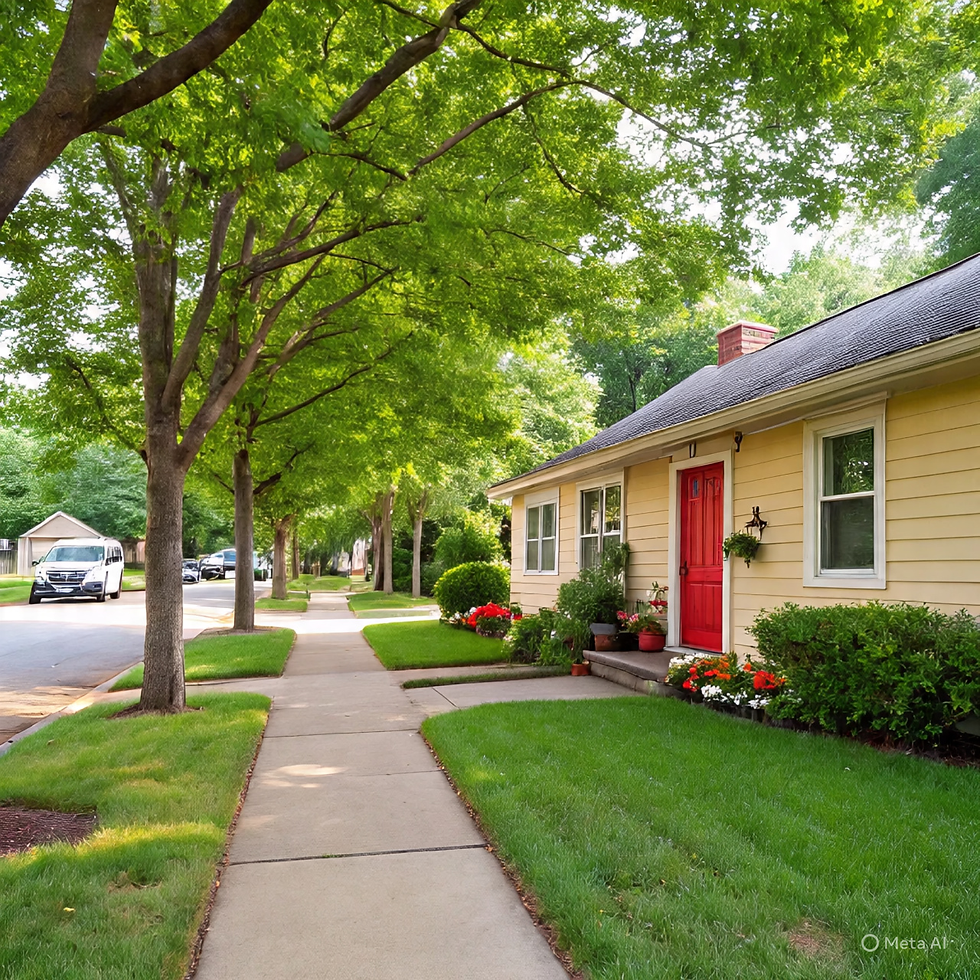
Buyers start forming opinions about a home before they ever step inside. Street appeal sets expectations, and those expectations strongly influence how the interior is judged.
When a home looks well cared for from the street, buyers walk in assuming the inside will reflect the same level of maintenance. Clean landscaping, a tidy driveway, and an orderly facade create confidence. That confidence carries into how buyers interpret interior details.
Street appeal also affects emotional readiness. A welcoming exterior puts buyers in a positive mindset. They enter relaxed and receptive, which makes interior spaces feel brighter, larger, and more comfortable.
If the exterior feels neglected, buyers often become more critical indoors. Small interior flaws feel bigger because trust has already been weakened. Even nice rooms may be viewed through a skeptical lens.
Another factor is context. Buyers evaluate the home as part of its surroundings. A home that fits well with the street feels more desirable inside because buyers imagine daily life extending beyond the front door.
Ultimately, street appeal frames the entire showing experience. When the exterior signals care and quality, buyers are more likely to perceive the interior positively and move forward with confidence.


Comments